
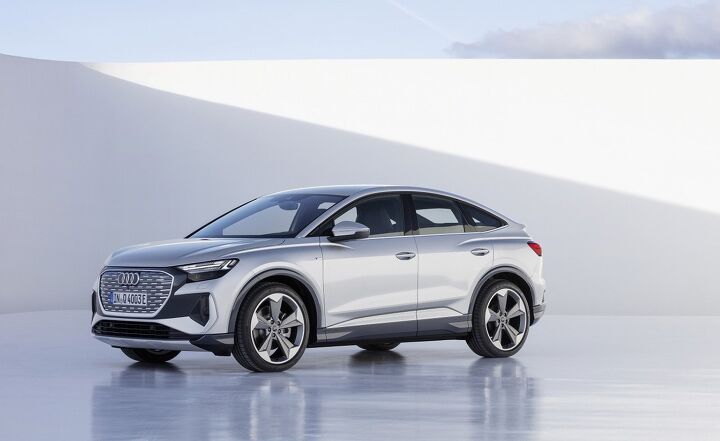
Audi’s Transition to Electric Vehicles: A Technical Overview
Curious about the future of automotive manufacturing? Audi is embarking on a transformative journey to become a leader in electric vehicle (EV) production by 2033. This strategic pivot involves a comprehensive reconfiguration of its manufacturing plants to accommodate the production of EVs alongside internal combustion engine (ICE) vehicles, with a complete phase-out of the latter by the target year.
Strategic Plant Reconfiguration
Audi’s decision to convert existing plants rather than constructing new facilities from scratch is a calculated move aimed at resource conservation and cost efficiency. The plan is to ensure that all manufacturing sites are equipped to produce at least one EV model by 2029. This approach underscores Audi’s commitment to sustainable premium mobility, as articulated by Gerd Walker, Audi’s Board Member for Production and Logistics.
Timeline and Key Milestones
The transformation is set to commence with the Ingolstadt, Germany plant, which will begin producing the Q6 E-Tron SUV in 2023. Subsequent transitions are planned for the Neckarsulm, Germany plant, the Győr facility in Hungary, and the San José Chiapa plant in Mexico. Additionally, Audi is collaborating with FAW to establish a dedicated EV manufacturing plant in Changchun, China, exclusively for Audi-branded electric vehicles.
Why This Matters to Lithuania
For Lithuania, a country keen on advancing its automotive industry and sustainable practices, Audi’s shift represents a significant benchmark. It highlights the growing demand for EVs and the global trend towards sustainable transportation solutions. Lithuanian stakeholders in the automotive sector can draw insights from Audi’s strategy as they navigate their own transitions.
Technical Aspects of the Transition
From a technical perspective, the transition involves retrofitting existing production lines with the necessary infrastructure to handle EV components, such as battery packs and electric drivetrains. This requires substantial investment in new technologies and workforce training to ensure seamless integration and production efficiency.
Challenges and Opportunities
While the transition presents several challenges, including the need to maintain production continuity and manage supply chain complexities, it also offers opportunities for innovation and leadership in the EV market. Audi’s approach to leveraging existing assets to facilitate this transition is a testament to its strategic foresight and adaptability.
Conclusion
As Audi accelerates its journey towards an all-electric future, its strategy serves as a blueprint for other automotive manufacturers worldwide. The emphasis on sustainability, resource efficiency, and technological innovation positions Audi as a frontrunner in the evolving landscape of the automotive industry.
For more insights into automotive advancements, visit this link.
https://autoplovykla.lt/ru/moika-dvigatelya/
https://alkestaauto.lt/hennessey-dodge-ram-turi-505-arklio-galias/
https://autopamoka.lt/2025/06/08/po-zemes-drebejimo-automobiliu-mikroschemu-truks/